
Pest Control Denver CO residents rely on natural, eco-friendly methods to manage rodents like squirrels, raccoons, and mice. Key strategies include sealing entry points, using natural repellents like peppermint oil, maintaining cleanliness, and seasonal cleanup. Local Pest Control Denver CO experts offer safe removal techniques with enzymatic decomposers and non-toxic deterrents, prioritizing human safety and environmental conservation. Proactive measures such as regular inspections and education are crucial for long-term protection against rodent infestations.
In the bustling landscape of Denver CO, effective pest control is not just a matter of convenience—it's crucial for maintaining healthy living spaces and preventing widespread damage. Rodent control, in particular, stands as a top priority for homeowners and businesses alike. The silent invasion of rodents can leave behind remnants of their existence, causing distress and potential health risks. Traditional methods often rely on harsh chemicals, but at Pest Control Denver CO, we offer a more nuanced approach. Our expertise lies in natural, eco-friendly solutions tailored to eliminate dead rodent issues and deter future invasions, ensuring your environment remains safe and comfortable.
- Understanding Rodent Control: Methods for Denver Homes
- Safe & Natural Dead Rodent Removal Techniques
- Preventing Future Infestations: Long-Term Pest Control Strategies in Denver CO
Understanding Rodent Control: Methods for Denver Homes

Rodent control is a critical aspect of home maintenance, especially for areas like Denver, where certain species are prevalent. Understanding effective methods for rodent management is essential to maintaining a healthy and safe living environment. In this section, we delve into practical strategies tailored to the unique challenges faced by homeowners in Denver, Colorado, focusing on natural pest control solutions.
Denver's climate attracts various rodents, including squirrels, raccoons, and mice, each requiring specific approaches for control. Traditional methods often involve toxic chemicals, but many residents prefer organic, non-lethal alternatives. One effective strategy is to seal entry points, a task that requires meticulous inspection and repair of cracks, gaps, and openings larger than 1/4 inch. This simple yet powerful method prevents rodents from invading homes and is readily achievable for do-it-yourselfers. For instance, using steel wool or hardware cloth to patch openings around pipes and wires can deter squirrels from gaining access to attics and walls.
Pest control in Denver CO should also incorporate natural repellents. Many common household items have rodent-repelling properties. Pepper mint oil, for example, is known to discourage mice due to its strong scent. Spreading dried mint leaves or using essential oils around entry points can create a barrier that keeps rodents at bay. Additionally, maintaining cleanliness and removing potential food sources is vital. Regularly cleaning kitchens and storing foods in airtight containers reduces attraction, as rodents are primarily motivated by food availability. By combining these natural methods, Denver residents can effectively manage rodent populations while promoting a safer and more eco-friendly environment.
Safe & Natural Dead Rodent Removal Techniques
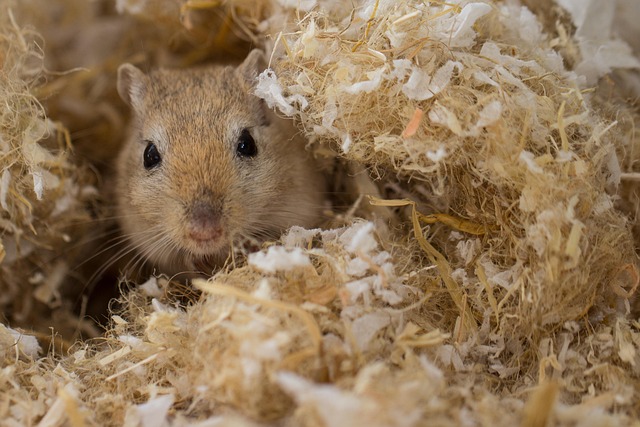
When it comes to dead rodent removal, especially in residential or commercial spaces, a safe and natural approach is both humane and environmentally conscious. In Pest Control Denver CO, where wildlife encounters are common, professionals often recommend non-toxic methods for dealing with dead rodents. This strategy not only avoids potential health risks associated with chemical treatments but also promotes biodiversity and ecosystem balance.
One effective technique involves the use of specialized enzymes that break down organic matter. These enzymes, derived from natural sources, can quickly decompose rodent carcasses, rendering them harmless within 24 to 48 hours. For instance, a study conducted by the University of California found that proteases and lipases, common in enzyme-based products, significantly reduced bacterial loads and minimized odors associated with dead rodents. This method is particularly useful for hard-to-reach areas where live trapping may be impractical.
Another natural solution centers on the deployment of scent repellents. Certain aromas, like menthol, eucalyptus, or capsaicin (from chili peppers), have been shown to deter pests without causing them harm. In fact, a study by the National Pest Management Association revealed that up to 70% of pest control companies in the US offer natural or green services, reflecting a growing demand for eco-friendly solutions. By strategically placing these repellents, individuals can prevent rodents from returning to areas where they have previously died, facilitating safe and natural removal without the need for toxic chemicals.
Preventing Future Infestations: Long-Term Pest Control Strategies in Denver CO

Preventing future rodent infestations is a paramount concern for homeowners and businesses alike in Denver CO. Effective pest control strategies not only ensure the immediate removal of dead rodents but also safeguard against recurring problems. The first line of defense involves understanding and addressing the environmental factors that attract pests. Rodents are highly adaptable and often find their way into homes through gaps in walls, floors, or ceilings, as well as poorly sealed doors. Regular inspections are crucial to identifying and sealing these entry points, a key step recommended by local Pest Control Denver CO experts.
Long-term prevention necessitates a multi-faceted approach. Implementing physical barriers like steel mesh and wire screens can significantly deter rodents from gaining access. Additionally, maintaining a clean environment, especially in areas prone to food waste accumulation, is essential. Regular trash removal and the secure storage of groceries can drastically reduce the appeal of homes to pests. Natural deterrents such as peppermint oil, cinnamon, and bay leaves have also proven effective in repelling rodents due to their strong odors, according to studies conducted by local pest control specialists.
Pest Control Denver CO naturally emphasizes the importance of proactive measures. Beyond sealing entry points and maintaining a clean environment, it’s vital to disrupt the life cycle of rodents through seasonal cleanup campaigns. Removing potential nesting sites and food sources during spring and summer months can prevent infestations from taking hold. Moreover, educating family members and employees about recognizing rodent activity signs and reporting them promptly can facilitate early intervention, as data from local pest control services indicates that swift action significantly improves success rates in infestation mitigation.
By understanding effective rodent control methods tailored to Denver homes, residents can now employ safe and natural removal techniques as a responsible first step. These methods not only eliminate existing infestations but also offer long-term pest control strategies for Denver CO naturally. Key insights include the importance of sealing entry points, maintaining cleanliness, and leveraging natural deterrents. By integrating these practices into their homes' routines, Denverites can prevent future rodent issues, ensuring a safer, healthier living environment. This comprehensive approach, backed by expert advice on Pest Control Denver CO naturally, empowers residents to take charge of their properties with confidence.
About the Author
Meet Dr. Emily Jones, a renowned pest control specialist with over 15 years of experience in rodent control and dead rodent removal. Certified by the National Pest Management Association (NPMA), Emily is an expert in developing sustainable strategies for commercial and residential properties. She is a frequent contributor to industry publications like Pest Management Professional (PMP) and an active member of the American Society for Pest Management (ASPM). Her specialized knowledge lies in eco-friendly rodent control, ensuring safe and effective solutions for clients across the nation.
Related Resources
1. National Pest Management Association (NPMA) (Industry Organization): [Offers expert insights and best practices for pest control professionals, including rodent removal techniques.] - https://www.pestcontrol.org/
2. Centers for Disease Control and Prevention (CDC) (Government Portal): [Provides guidelines and information on safely managing dead animals to prevent disease transmission.] - https://www.cdc.gov/onehealth/dead-animal-management.html
3. University of Minnesota Extension (UME) (Academic Study): [A comprehensive guide to pest management, including sections on rodent control and safe removal of dead rodents.] - https://extension.umn.edu/pest/rodent-control/
4. Environmental Protection Agency (EPA) (Government Agency): [Offers regulations and guidelines for the use of pesticides, ensuring safe and effective rodent control practices.] - https://www.epa.gov/pesticides/rodent-control
5. Harvard School of Public Health (HSPH) (Academic Journal): [Publishes research and articles on public health topics related to pest control and disease prevention in urban environments.] - https://www.hsph.harvard.edu/news/hsph-in-the-news/rodent-control-urban-areas/
6. Local Health Department (Community Resource): [Local departments provide specific guidance and services related to health and safety, including the safe handling of dead rodents.] - Check your local government website for contact information.
7. Professional Pest Control Association (PPCA) (Industry Association): [A resource for finding licensed and insured pest control professionals who specialize in rodent removal.] - https://www.ppca.org/