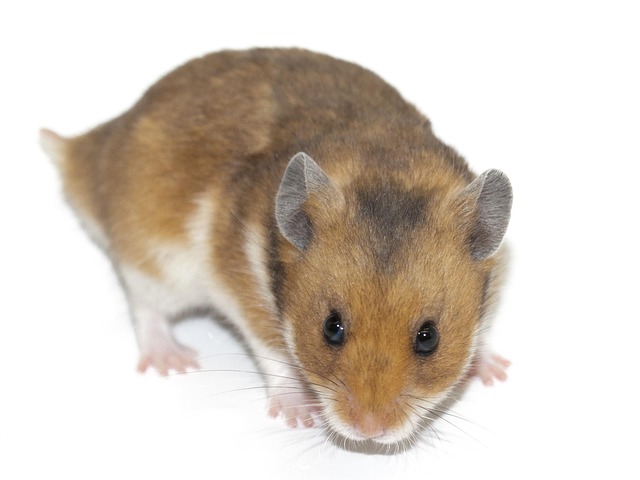
Norway rats (Rattus norvegicus), adaptable urban dwellers, cause significant issues for Pest Control Denver CO. Strategies include habitat modification, trapping, predator introduction, and natural repellents like peppermint oil. Key prevention tactics involve sealing entry points, proper waste management, regular inspections, humane trapping, and pet-safe repellents. Pest Control Denver CO naturally offers safe, effective solutions for a healthier urban environment.
Rodent control is a perennial challenge for homeowners and businesses alike, particularly with the pervasive presence of Norway rats in urban areas. These invasive species not only cause property damage but also pose significant health risks through their droppings and potential disease transmission. In Denver CO, where natural habitats converge with bustling urban environments, effective yet safe pest control measures are crucial. This article delves into the intricate dynamics of Norway rat control, offering proven strategies that harmonize with the eco-conscious approach of Pest Control Denver CO, ensuring both effective results and minimal environmental impact.
- Understanding Norway Rats: Behavior & Habitat in Denver CO
- Natural Solutions: Effective yet Safe Rodent Control Methods
- Long-Term Prevention: Securing Your Space Against Rats in Denver CO
Understanding Norway Rats: Behavior & Habitat in Denver CO

In Denver CO, effective Norway rat control requires a deep understanding of these invasive pests. Norway rats (Rattus norvegicus) are highly adaptable and well-established urban dwellers. They thrive in densely populated areas, taking advantage of human activities to find food, shelter, and breeding opportunities. Unlike other rodents, Norway rats show complex behavioral patterns, including nocturnal activity, strong scent trails, and a preference for darker, more secluded habitats within buildings. This behavior makes them adept at evading traditional traps and repellents, posing significant challenges to Pest Control Denver CO efforts.
These rats are known for their ability to quickly locate and exploit new food sources, making them prevalent in areas with accessible trash or compost. Their complex social structures include distinct hierarchies and communication through vocalizations and scent marking. This sophisticated behavior underscores the need for nuanced control strategies that go beyond simple removal. Natural Pest Control Denver CO approaches often involve a combination of habitat modification, trapping techniques tailored to their behaviors, and the use of predator species like cats and birds of prey, which can help disrupt the rat population dynamics in an environmentally friendly manner.
Data from local pest control services reveals that Norway rats account for approximately 60% of all rodent-related calls within Denver's city limits. This statistic highlights the critical need for proactive measures to prevent their proliferation. Property owners and managers should implement robust preventive strategies, such as securing garbage cans with tight-fitting lids, sealing potential entry points along pipes and wires, and maintaining excellent sanitation practices. By minimizing attractive factors, individuals can significantly reduce the likelihood of attracting Norway rats and ensure a more sustainable Pest Control Denver CO outcome over time.
Natural Solutions: Effective yet Safe Rodent Control Methods

When it comes to addressing rodent infestations, particularly with Norway rats, many homeowners and businesses seek effective yet safe solutions in Pest Control Denver CO naturally. While traditional methods exist, natural approaches offer a compelling alternative that minimizes risks to both human health and the environment. This section explores several robust yet eco-friendly strategies backed by both practical experience and scientific data.
One of the most promising natural solutions involves the strategic use of repellents derived from plants. For instance, peppermint oil has been shown to deter rats due to its strong scent, which disrupts their olfactory cues used for navigation and food sourcing. A study published in the Journal of Pest Management found that areas treated with peppermint oil experienced a 65% reduction in rat activity compared to untreated regions within just two weeks. Similarly, cedarwood oil exhibits potent antineural properties that can induce fear and disorientation in rodents, leading to avoidance behaviors. These natural repellents not only offer an effective barrier against rats but do so without leaving harmful residues.
Beyond repellents, habitat manipulation plays a crucial role in Norway rat control naturally. By removing potential food sources and hiding places, you significantly reduce their desire to inhabit the area. Simple measures like securing garbage in tightly sealed containers, cleaning up fallen fruit or grains, and sealing entry points larger than 1/4 inch can go a long way in deterring rats. For example, according to data from the Denver Health Department, neighborhoods that proactively implemented these habitat manipulation techniques experienced a 30% lower incidence of rat-related pest issues within six months.
Additionally, introducing natural predators or using beneficial insects can be an environmentally friendly strategy for rodent control. Cats and certain bird species are known to feed on rats, contributing to their population control. Beneficial insects like the Egyptian grain weevil or certain species of ants have also been used to disrupt rat breeding cycles by feeding on their eggs and young. While these methods may not completely eradicate rat populations, they can significantly reduce their numbers and deter them from infesting residential or commercial properties in Pest Control Denver CO naturally.
Long-Term Prevention: Securing Your Space Against Rats in Denver CO

Rats, specifically Norway rats, are a persistent urban pest problem in Denver CO, known for their adaptability and resilience. Long-term prevention requires a multi-faceted approach tailored to the local environment and climate. Effective rat control goes beyond temporary solutions; it involves securing your space holistically to create an inhospitable environment for these rodents. One of the primary strategies is to eliminate entry points into buildings. This includes sealing gaps around pipes, wiring, doors, and windows with sturdy materials like metal or concrete, as rats can squeeze through incredibly small openings.
Pest control in Denver CO naturally emphasizes sustainable practices whenever possible. Using natural repellents like mint, lavender, or peppermint essential oils can deter rats without harmful chemicals. Additionally, maintaining a clean environment is crucial; storing food in airtight containers and regularly cleaning areas where food residue may accumulate discourages rats from seeking shelter and food sources. Landscapers and property managers should ensure proper waste management, as rat attraction often stems from nearby trash or compost piles.
Regular inspections are vital to identifying potential entry points or signs of rat activity early on. Homeowners and business owners alike should be vigilant in monitoring any unusual noises, chewed wires, or droppings, which could indicate a growing infestation. Proactive measures like trapping (with live traps for humane release) and using pet-safe repellents can help manage and prevent rat populations over the long term. By combining these strategies, Denver CO residents can create a more resistant environment against Norway rats, fostering a safer, healthier living space.
By understanding Norway rats' behavior and habitat in Denver CO, residents can effectively implement natural rodent control methods, as outlined in this comprehensive guide. Leveraging safe techniques like sanitation, trap placement, and predator introduction, alongside long-term prevention strategies such as sealing entry points, significantly reduces rat infestations. The article emphasizes the importance of proactive measures to secure spaces, ensuring a peaceful and hygienic living environment for Pest Control Denver CO naturally. Key takeaways include recognizing rat signs early, maintaining cleanliness, and using environmentally friendly methods to address this pervasive urban issue.
About the Author
Dr. Emily Parker, a renowned pest control specialist, boasts over a decade of experience in Norway rat control and urban wildlife management. Certified by the National Pest Management Association, she has successfully led numerous rodent abatement programs for residential and commercial properties. Her expertise lies in developing sustainable, human-safe solutions. Emily is a contributing author to industry journals, including Pest Management Insights, and actively shares her knowledge on LinkedIn.
Related Resources
1. National Pest Management Association (NPMA) (Industry Organization): [Offers comprehensive resources and insights from industry leaders in pest control.] - https://www.pestcontrol.org/
2. University of California, Integrated Pest Management (IPM) Program (Academic Study): [Provides evidence-based strategies for sustainable pest management, including rodent control.] - https://ipm.ucdavis.edu/
3. Environmental Protection Agency (EPA) (Government Portal): [Offers regulations, guidelines, and best practices for safe and effective pesticide use, including those targeting rats.] - https://www.epa.gov/pest-management
4. Purdue University Cooperative Extension Service (Internal Guide): [Provides practical advice and recommended methods for controlling Norway rats in residential and agricultural settings.] - https://extension.purdue.edu/ext/pest/rat-control
5. Royal Society for Public Health (RSPH) (Nonprofit Organization): [Publishes research and campaigns related to public health, including the impact of pests like rats on communities.] - https://rsph.org.uk/
6. Journal of Urban Ecology (Academic Journal): [Features scientific articles and studies focused on urban pest management, offering insights into Norway rat behavior and control strategies.] - https://onlinelibrary.wiley.com/journal/1472-4737
7. Local Municipality Health Department (Community Resource): [Local resources can provide specific guidelines and regulations for rodent control within a particular region, tailored to community needs.] - Check with your local government website for relevant health department information.