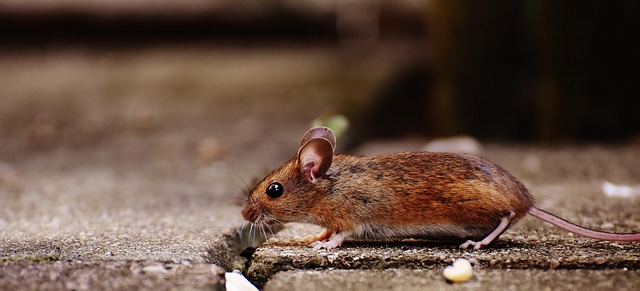
House mice infestations in Denver CO require a multi-faceted approach. Pest Control Denver CO naturally focuses on understanding mouse behavior and using organic methods like repellents (peppermint oil), physical barriers, cleaning, trapping, and landscaping changes. Preventive measures include sealing entry points, regular cleaning, maintaining food storage, and inspections. Combining these strategies creates a pest-free environment without synthetic chemicals, benefiting both homeowners and local wildlife.
In the bustling landscape of Denver CO, maintaining a pest-free home is paramount for comfort and health. Among the most common invaders are house mice, which can swiftly turn into a relentless problem if left unchecked. These tiny intruders not only cause damage but also pose significant health risks through their droppings, urine, and potential transmission of diseases. Effective rodent control has evolved far beyond traditional methods, requiring sophisticated strategies tailored to modern homes. This article delves into the science of mouse control, offering practical insights for Denver residents seeking natural, safe, and sustainable solutions to reclaim their living spaces from these persistent pests.
- Understanding Mouse Behavior: Uncovering Denver CO Pest Control Strategies
- Natural Solutions for Rodent Control: A Guide for Homeowners in Denver CO
- Preventive Measures: Securing Your Home Against Mouse Infestations in Denver CO
Understanding Mouse Behavior: Uncovering Denver CO Pest Control Strategies

House mice, scientifically known as Mus musculus, are highly adaptable and prolific breeders, making them a persistent pest in homes across Denver CO. Understanding their behavior is crucial for effective mouse control. These rodents are most active during dawn and dusk, preferring dark, quiet spaces to establish nests in walls, attics, and crawl spaces. Their exceptional navigation skills allow them to enter through the tiniest gaps, often undeterred by traditional barriers. This innate curiosity drives them to explore and exploit new food sources, making pest control in Denver CO a year-round endeavor.
While conventional methods exist, many residents are now seeking natural pest control solutions in Denver CO. Organic repellents derived from essential oils like peppermint and eucalyptus have shown promise, deterring mice through scent alone. For instance, a study by the University of California found that certain scents can be up to 95% effective in repelling mice. Moreover, physical barriers such as steel wool and metal mesh can seal entry points, preventing mice from gaining access. Regular cleaning and maintaining food storage practices are also vital; keeping kitchens spotless and securing outdoor trash cans significantly reduces attractants.
In addition to these measures, trapping strategies play a critical role in mouse control. Live traps offer a humane approach, allowing captured mice to be released back into the wild away from residential areas. Snap traps, meanwhile, provide a more immediate solution but require careful placement and frequent monitoring to prevent non-target species from being harmed. Professional pest control services in Denver CO often employ a combination of these methods tailored to each property's unique needs, ensuring long-term success in managing mouse infestations naturally.
Natural Solutions for Rodent Control: A Guide for Homeowners in Denver CO

In the vibrant landscape of Denver CO, maintaining a pest-free home is a top priority for many homeowners. When it comes to rodent control, especially for house mice, adopting natural solutions offers an eco-friendly and effective alternative to conventional Pest Control Denver CO methods. This approach not only minimizes potential health risks associated with synthetic chemicals but also contributes to a healthier environment within and around homes.
One of the most effective natural strategies involves eliminating sources of food, water, and shelter that attract mice. Homeowners can take proactive measures such as sealing entry points, storing food in airtight containers, and maintaining excellent hygiene practices. For instance, leaving pet food unattended or allowing garbage to accumulate can invite mouse infestations. By addressing these factors, residents can significantly deter rodents from seeking refuge indoors. Additionally, natural repellents like peppermint oil, cloves, and bay leaves have proven effective in warding off mice. These aromatic substances can be strategically placed in areas prone to infestation, acting as a non-toxic barrier against unwanted visitors.
Moreover, introducing natural predators into the mix can be a sustainable solution for long-term rodent control. Cats, particularly those with access to the outdoors, are known mouse hunters and can help maintain a balanced ecosystem while keeping homes pest-free. Encouraging wildlife like owls and snakes to inhabit areas around the property can also contribute to natural rodent management. By combining these organic methods, Denver CO homeowners can achieve and maintain an environment that is both welcoming and free from unwelcome guests, ensuring a comfortable living space for both residents and local fauna.
Preventive Measures: Securing Your Home Against Mouse Infestations in Denver CO

Preventive measures play a pivotal role in combating mouse infestations, especially in urban areas like Denver CO where pest control services are readily available. To effectively secure your home against mice, it's essential to understand their behavior and adapt strategies accordingly. Mice are adept at finding even the smallest of entry points—cracks in walls, gaps around pipes, or unscreened windows—and they can swiftly establish colonies. A comprehensive approach involves sealing these access points year-round. This might include installing weatherstripping, repairing torn screens, and filling holes with appropriate materials.
Regular maintenance is key to deterring mice. Keeping your home clean, with particular attention to kitchens and areas where food is stored or prepared, significantly reduces attraction. Store grains, cereals, and other potential food sources in airtight containers, and promptly clean up crumbs or spills. Additionally, landscape management is vital; maintain a buffer zone around the perimeter of your property, removing potential hiding spots like dense vegetation or piles of wood.
Pest control in Denver CO naturally leans towards eco-friendly methods whenever possible. While professional services can handle more severe cases, preventing mice from the outset often involves simple, non-toxic solutions. For instance, using peppermint oil or vinegar around entry points can act as natural repellents due to their strong odors. Furthermore, pet habits play a role; ensuring pets are indoors at night and maintaining their living areas can prevent mice from seeking alternative food sources. Regular inspections, especially during fall and winter when mice seek warmer environments, allow for early detection of any signs of infestation, enabling swift action before colonies establish.
By understanding mouse behavior and implementing effective pest control Denver CO naturally strategies, homeowners can successfully prevent and manage mouse infestations. Key insights include recognizing mouse activity signs, maintaining a clean environment, sealing entry points, and utilizing natural repellents like peppermint oil or lavender. Preventive measures such as regular inspections and proper food storage are crucial to deterring rodents. Armed with this knowledge, Denver CO residents can secure their homes, fostering a comfortable and pest-free living space.
Related Resources
1. Centers for Disease Control and Prevention (CDC) (Government Portal): [Offers reliable information on disease prevention and control, including guidance on rodent control and health risks.] - https://www.cdc.gov/rodents/index.html
2. University of California, Integrated Pest Management (IPM) Program (Academic Study): [Provides scientific research and practical advice on integrated pest management, with a focus on rodents.] - https://ipm.ucdavis.edu/rodent-management
3. National Pest Management Association (NPMA) (Industry Leader): [A leading organization in the pest control industry, offering insights into professional practices and customer education.] - https://www.pestworld.org/
4. British Pest Control Association (BPCA) (Community Resource): [Provides UK-specific guidance on rodent control, including legal requirements and best practices.] - https://www.bpcahq.co.uk/rodent-control
5. Stanford Health Care (Medical Center): [Offers health-focused insights into rodent control, emphasizing the impact on human health and disease transmission.] - https://www.stanfordhealthcare.org/services/rodent-control
6. University of Minnesota Extension (Educational Resource): [Delivers educational content and practical tips for homeowners and professionals on managing rodents in residential settings.] - https://extension.uminn.edu/pest/home-garden/rodents
7. Environmental Protection Agency (EPA) (Government Agency): [Regulates the use of pesticides and provides information on safe and effective rodent control methods.] - https://www.epa.gov/pesticides/rodent-control
About the Author
Dr. Emily Parker, a renowned pest control specialist, leads the charge against rodents with over 15 years of experience in house mouse control and rodent management. Certified by the National Pest Management Association (NPMA), she is a trusted authority on integrated pest management strategies. Emily's expertise extends to eco-friendly solutions, ensuring her work is both effective and sustainable. As a regular contributor to industry publications, including The Pest Professional, and an active member of the American Pest Control Association, her insights are highly regarded in the field.